Not every possum ends up in the roof. Some find their way into a wall cavity, the gap between an outer wall and the plaster inside, or under the floor of a raised home. You might hear scratching from inside a wall rather than above the ceiling, notice a smell near a skirting board, or spot a possum ducking under the house at dusk.
This kind of job comes up in the older timber Queenslanders scattered through Hamilton, where gaps can open up at the base of a wall or where weatherboards meet the eaves. Brick and rendered homes are not immune either, with gaps sometimes appearing around pipes, vents or where an extension meets the original structure. Once inside, a possum can move along the wall frame to a warmer, quieter spot.
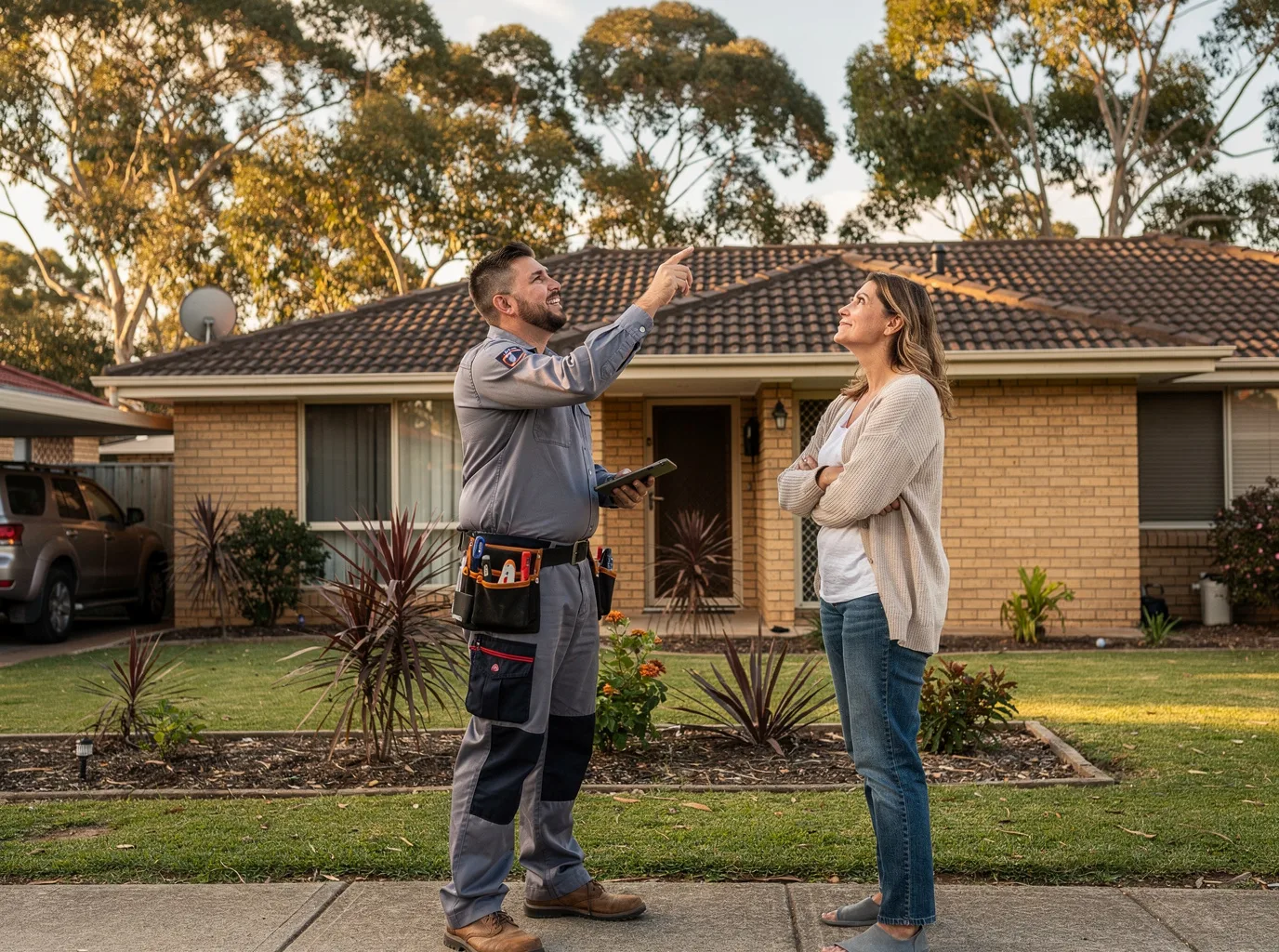
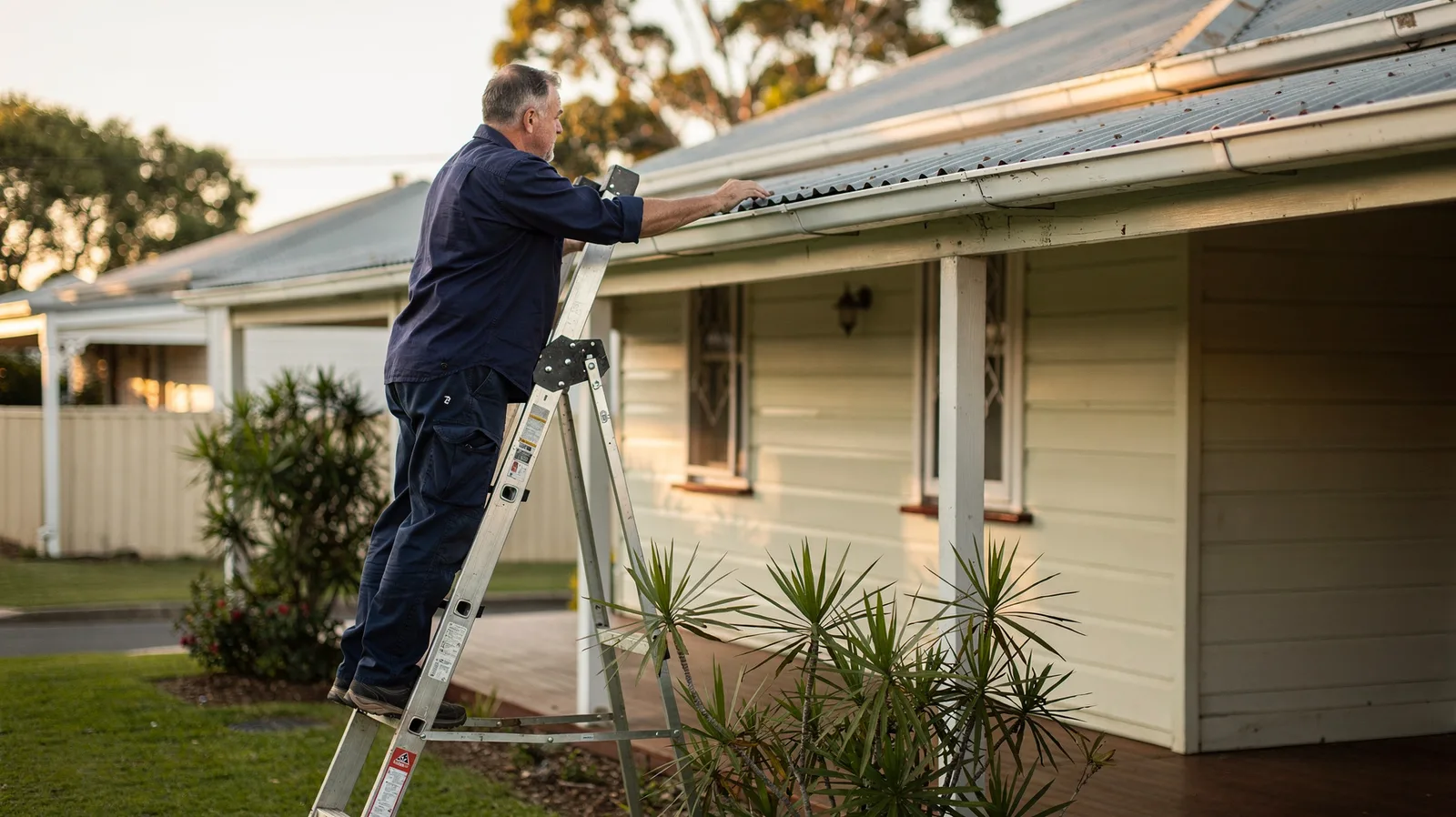
The crew we book starts by working out where the possum is actually getting in, checking from outside first since wall cavities are harder to see into than a roof. The same one-way door approach applies here, fitted over the entry so the possum can leave but not return. Once the space is clear, the gap is sealed along with any others found nearby. Cutting into a wall is avoided unless there is genuinely no other way in or out, and that is always talked through with you first.
- A check of walls, vents, pipes and subfloor gaps
- A one-way door fitted over the entry point
- Mesh or sheeting used to close gaps at the base of walls
- Subfloor openings covered on raised homes
- A price given before any work begins
If you can hear movement inside the walls of your Hamilton home, call 07 3543 7773 to book a wall cavity check.